experience the spiritual
in Luang Prabang
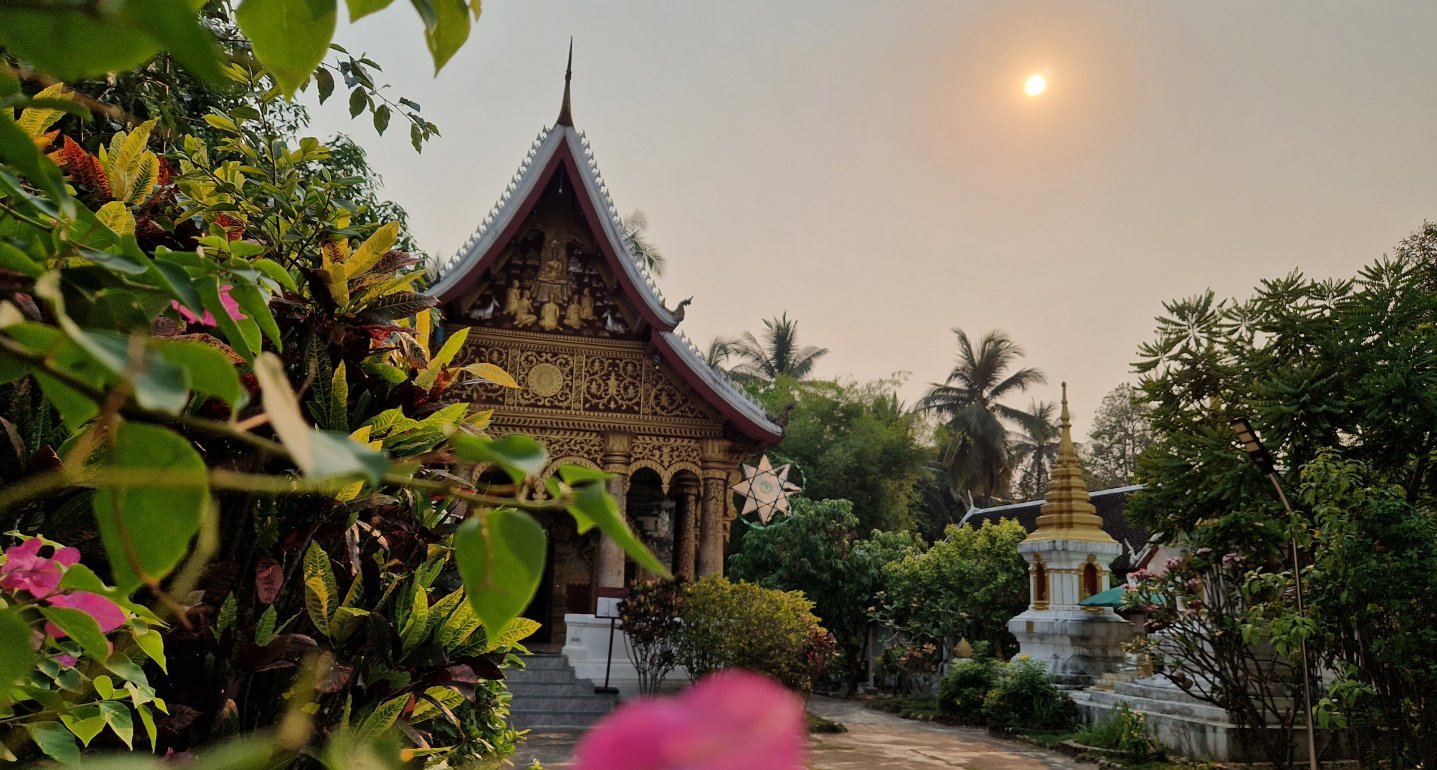
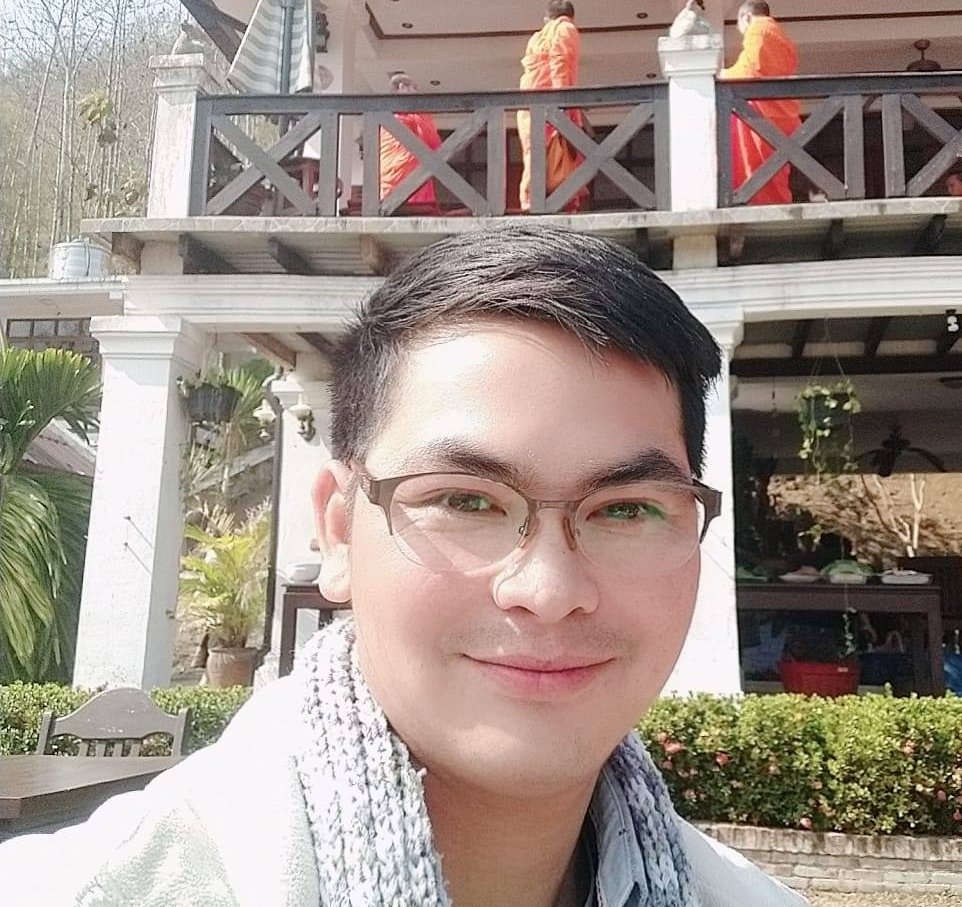
Sabaidee! My name is Bounthan Sengsavang, and I am from Luang Prabang, Laos. Wat Paphai is more than just a beautiful temple to me—it is a place that changed my life. Through the guidance, kindness, and opportunities I found here, my life took a new direction, and I will always be grateful for that.
It is an honor to welcome you and be your guide today. I look forward to sharing the history, traditions, and stories of Wat Paphai, as well as the special meaning this temple holds for me. I hope your visit will be both enjoyable and inspiring.
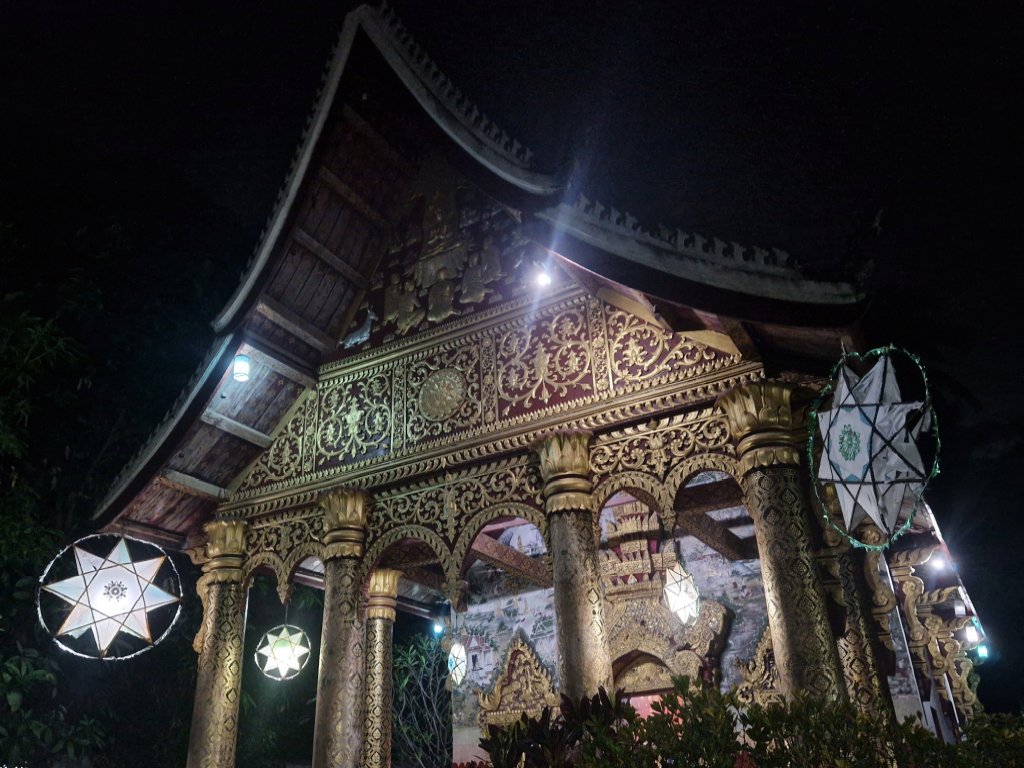
Wat Paphai is one of the oldest temples in the historical UNESCO protected area of Luang Prabang, built in 1645.
A Buddhist temple or Buddhist monastery is the place of worship for Buddhists, the followers of Buddhism. They include the structures called vihara, chaitya, stupa, wat and pagoda in different regions and languages. Temples in Buddhism represent the pure land or pure environment of a Buddha.
In Laos, temples are also like our center of a community and used as school to teach people how to be good and be kind to each other and also used like a hospital for mental treatment such as fear, lost and against of black magic as well.
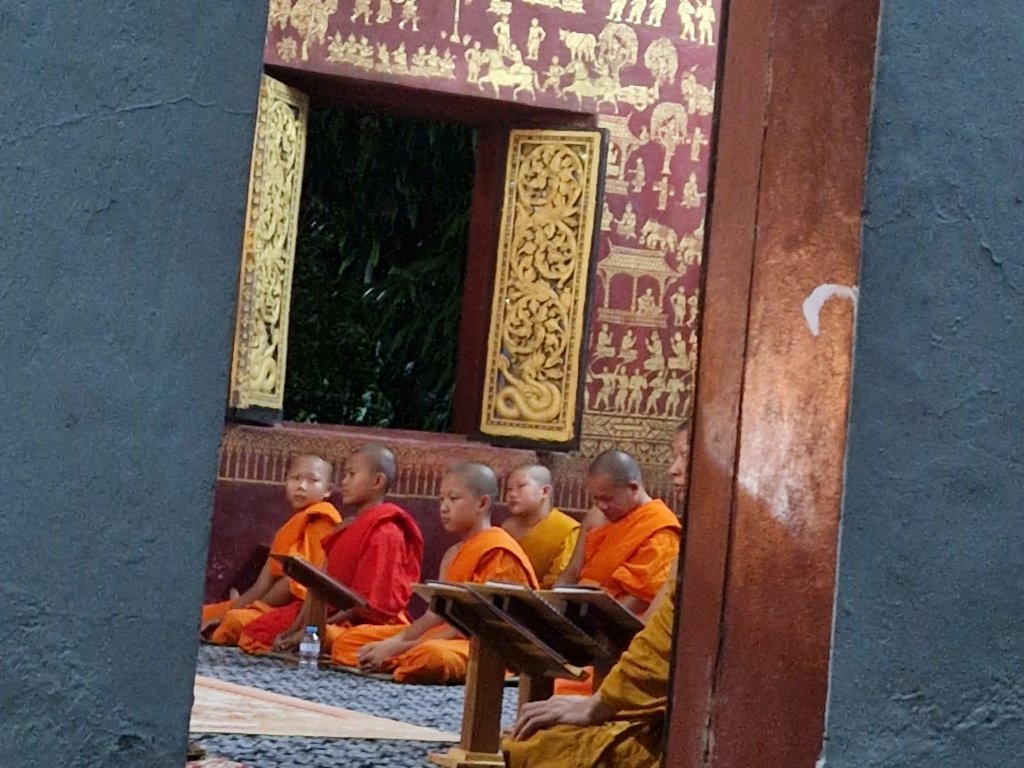
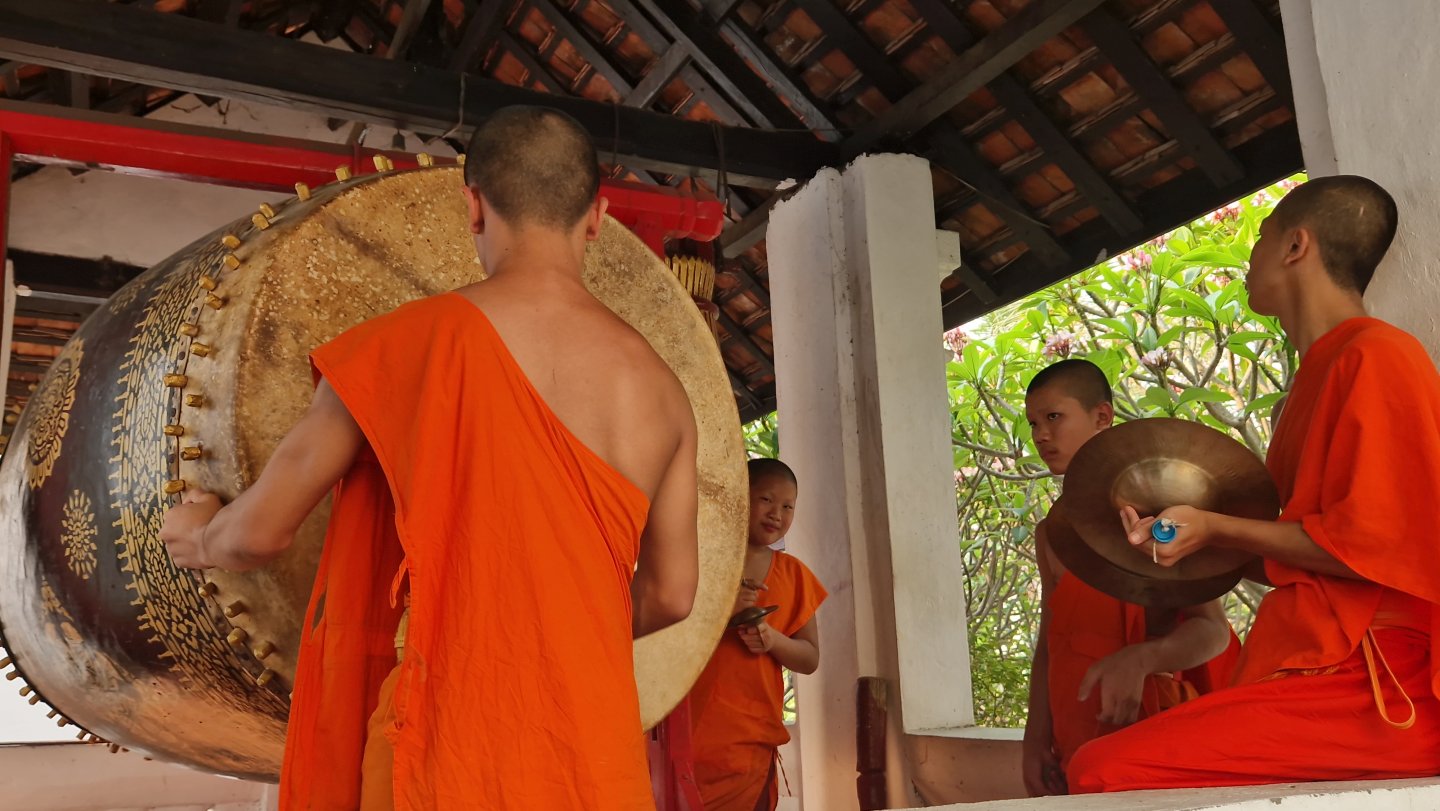
While at a Buddhist Monastery, you can indulge in any of the acts of learning and sharing. You may join the monks at prayer, or you may learn about our traditions, beliefs, and culture. You can also meditate alongside the monks to get connected to peace and solitude.
The day begins with meditation followed by group chanting of various Buddhist scriptures. After this the monks get a short period of time to themselves where they can do meditation, personal reading or study. Some of them go on walks on the different walking paths within the monastery.
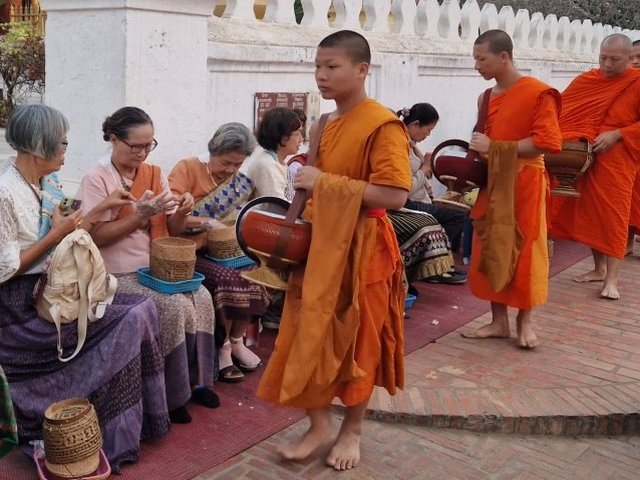
The monks are sustained by the offerings of food and in turn provide spiritual merit for the almsgivers. Lay people believe that they will gain merit by giving food to sustain the monks, thereby generating “good” in their future lives. The more we give the more we get and because happiness is in giving not receiving.
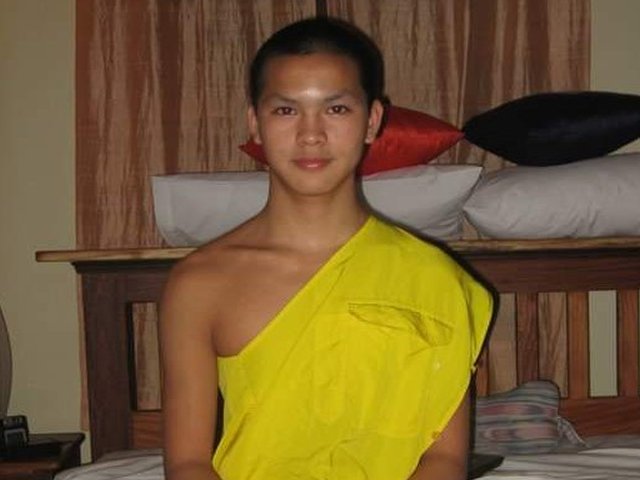
My name is Bounthan Sengsavang, I was born and raised in a small village in Luang Prabang Province, about 4 hours away from Luang Prabang to the north. I have four older brothers and one younger sister, and I am the youngest son in my family.
Growing up, my family faced many financial challenges and was one of the poorest families in our village. Because of this, many of my siblings, including me, did not have the opportunity to receive a full education. However, those challenges taught me to appreciate every opportunity that came my way.
One of the greatest blessings in my life was the chance to become a Buddhist novice. My oldest brother, Houmpheng, was the first in our family to be ordained and spent eight years as a monk. Before leaving the monastery, he encouraged my third brother, Sengdao, to join. Sengdao has now been a monk for nearly 22 years, and it was he who invited me to become a novice.
From 2007 to 2010, I lived at Wat Paphai as a novice monk. Those three years changed my life forever. I learned the importance of mindfulness, compassion, kindness, patience, and respect for all living beings. Living in the monastery gave me inner peace and helped shape the person I am today.
Although I am no longer a novice, Buddhism continues to guide my life. I always enjoy returning to the temple and sharing my experiences with visitors from around the world. It brings me great joy to introduce people to Buddhist traditions, Lao culture, and the daily life of monks and novices.
For me, every guest is more than just a visitor—they are someone I can learn from while sharing the traditions and values that have shaped my life. I hope my story helps you better understand my background, and I look forward to welcoming you and sharing this meaningful part of Laos with you.
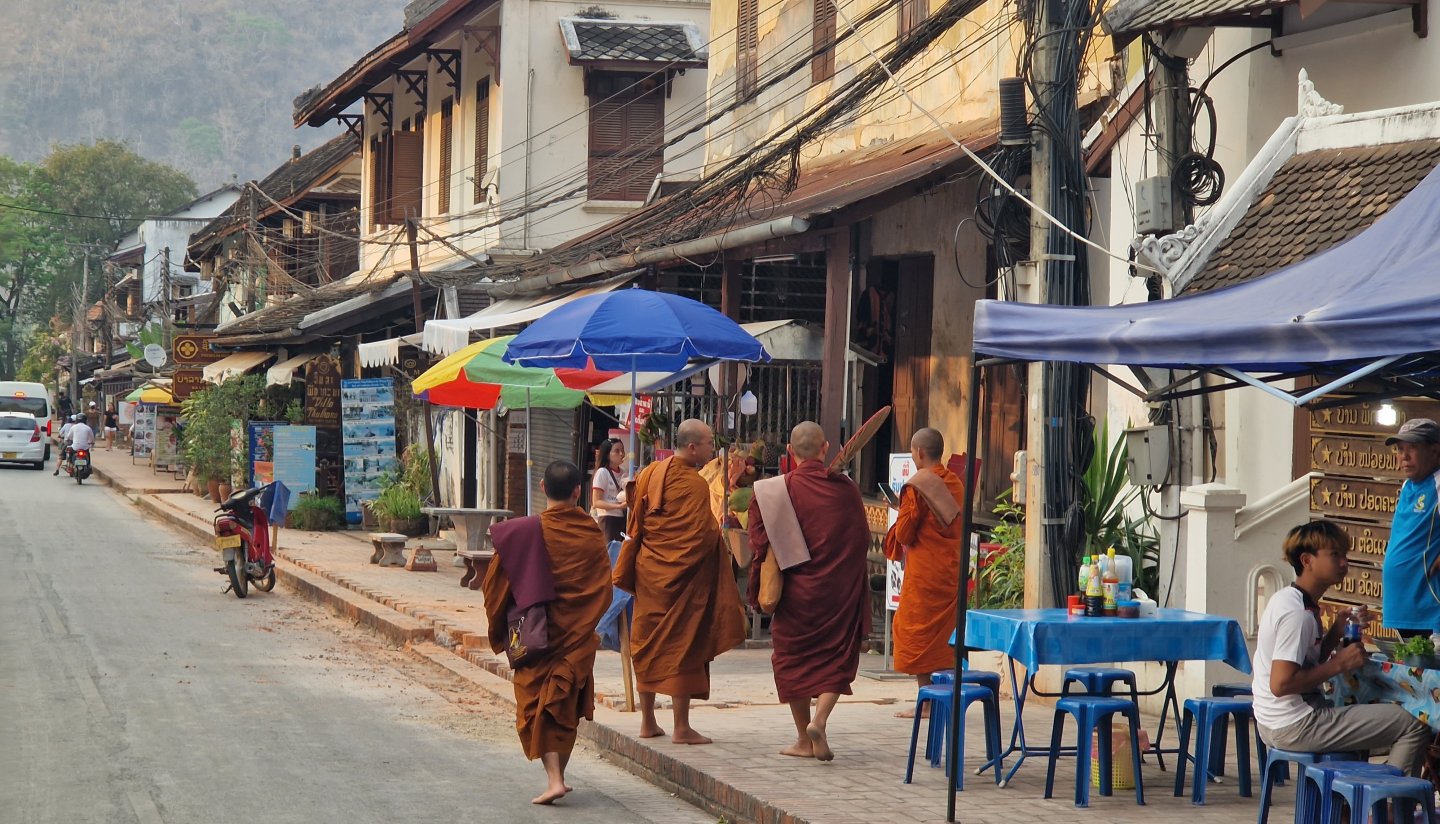
Laos used to be called Lan Xang, the country of million elephants. Although the elephants no longer roam the country in large numbers, Laos offers unique opportunity to see these animals surrounded by beautiful mountainous landscapes. In the valleys of Laos you can find larger or smaller settlements, local tribes of several ethnicities and different cultures, larger towns such as Luang Prabang with beautifully preserved architecture.
The ancient city also that was also known as Xieng Thong lies at the confluence of rivers Mekong and Nam Khan. Housing numerous buddhist temples this former royal capital is known for its beautiful preserved architecture and the morning almns ceremony.